As a political anthropologist, my work seeks to elucidate how political, ecological, and social transformations unfold in the minutiae of everyday life and how people not only become entangled in these transformations but also actively shape them. In my research, I pursue this interest through three concrete research foci: first, anthropology of violence and agency—paying attention to the micro-manifestations of violence and how people navigate critical situations in their everyday lives; second, critical kinship studies—aiming to rethink kinship from new angles by uncovering multiple ways of forging relatedness; third, anthropology of living and dying—focusing not only on the geographically and historically contingent understandings of life and death but also on the unequal distribution of life chances (human and non-human) and the interplay of living and dying within larger ecological and socio-political transformations. Methodologically, I am a committed ethnographer who has adopted the extended case method of the Manchester School. This approach enables me to attend to the tensions, ambiguities, and ambivalences that characterise proximate human relationships while maintaining attention to the entanglement of local and global processes. More recently, I have been interested in expanding a methodological approach that I call historically informed ethnography, which employs generation as a methodological and analytical lens—combined with archival research—to gain insights into social change across longer temporal scales without sacrificing ethnographic depth.
Research Focus
- Anthropology of Living and Dying
- Anthropology of Kinship, Ethics, and Generation
- Anthropology of Violence and Agency
Regional Focus
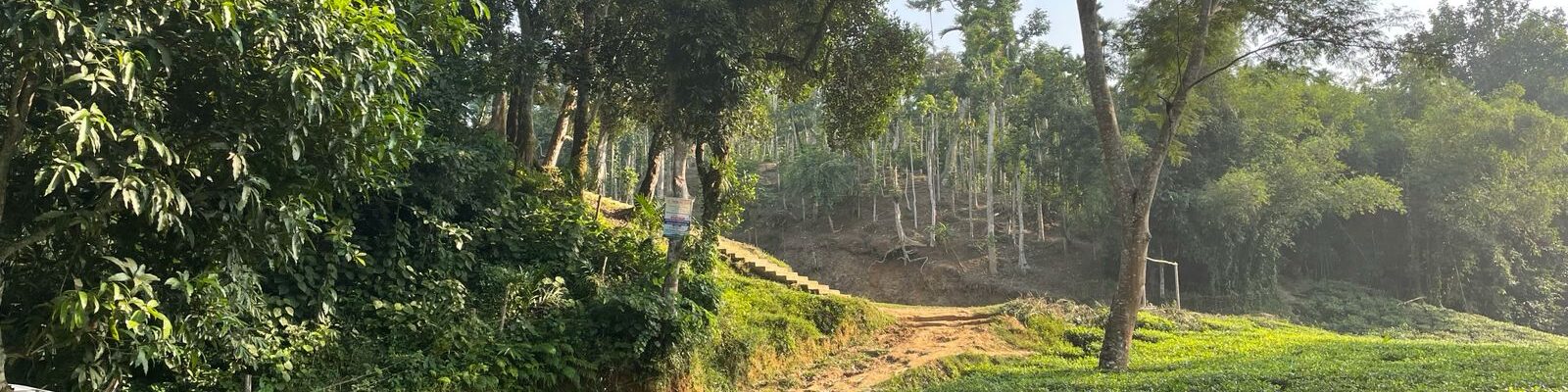
- Bangladesh and Northeast India (Assam, Tripura, and Meghalaya)
- Gulf Region